
They Agreed Before the Elections and Overturned at the Ballot Box .. Who Brought Down the MPs’ Understandings?
Al-Taj News – Humam Al-Fraihat
Bani Amer to “Al-Taj”: The Permanent Bureau Elections Revealed the Fragility of Understandings Within Party Blocs
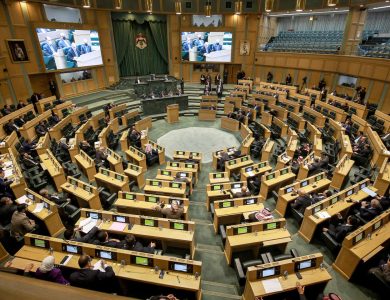
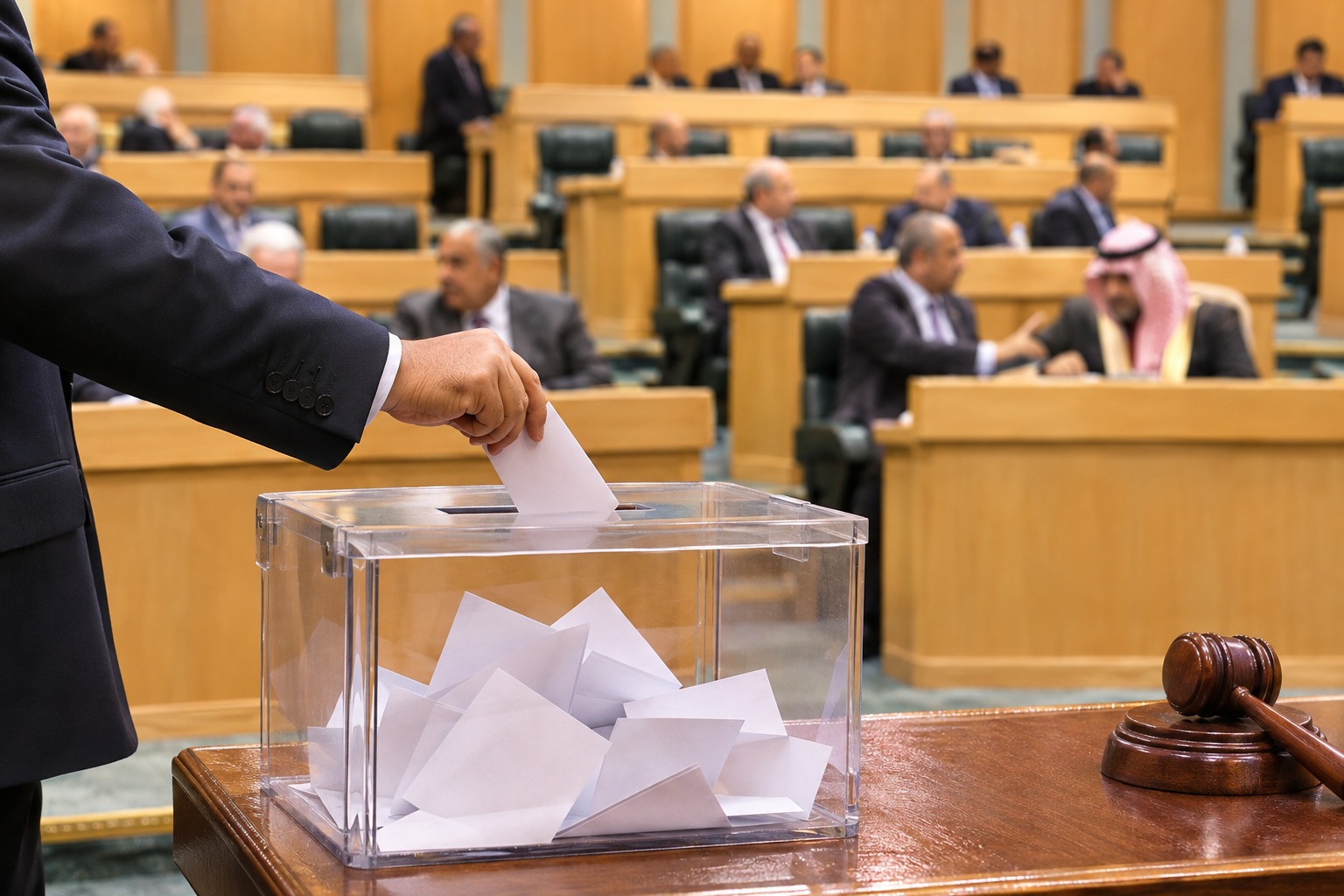
The elections of the House of Representatives’ Permanent Bureau revealed divergences and disputes within the party blocs, after prior understandings collided with the ballot box results, and differences emerged over the distribution of positions and parliamentary alliances, leading to resignations, withdrawals, and the recalculation of accounts under the dome.
In a reading of these developments, the director of Rased – Hayat Center, Amer Bani Amer, said that the elections revealed the fragility of understandings between the blocs, explaining that the leaderships agreed on the distribution of positions before building within their blocs a shared conviction of what the agreement would achieve for the Council, which made the understandings vulnerable to change during the voting.
Bani Amer added in a conversation with “Al-Taj News” that the upcoming stage may witness a rearrangement of alliances, pointing out that the formation of parliamentary committees will be the first test for these understandings, warning that the continuation of competition for positions without clear commitments would reflect on the public’s confidence in the ability of parties to develop parliamentary work.
He stressed that the citizen’s interest remains the fundamental criterion for judging understandings between blocs, questioning the nature of the legislation they will push for to address citizens’ problems, and the Council’s ability to follow up on the government’s answers to its oversight questions and hold it accountable for implementing its commitments, emphasizing that restoring trust is linked to the tangible results the blocs will provide.
It is worth noting that the resignation of MP Ahmad Ibrahim Al-Hmeisat from the Mubadara Party and the chairmanship of its parliamentary bloc, following his loss in the First Deputy elections against Ayatollah Freihat, and his description of what happened as “treason,” along with the resignations of other MPs, are among the most prominent indicators of this crisis, which extended to the competition between Mijhem Al-Sqour and Ibrahim Al-Tarawneh, the disputes over the position of Second Deputy between Mohammad Al-Ghwairi and Wasfi Haddad, and the divergences that accompanied the understandings of the blocs, including Azm.